
By: Arezoo Shahbazi Roa, Sr. Prevention & Strategic Partnerships Director
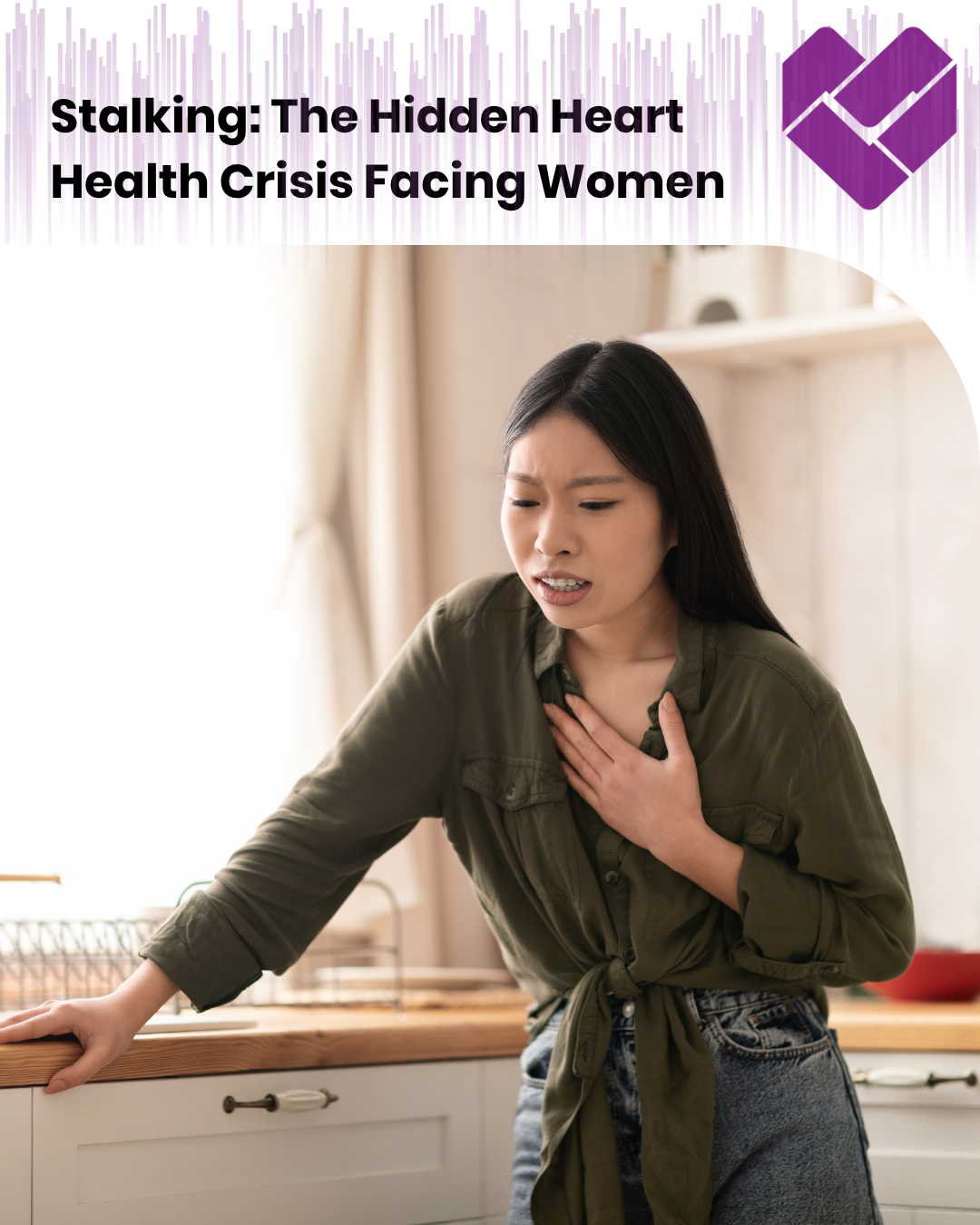
When we think about stalking, the first words that come to mind are often “fear,” “anxiety,” or “danger.” But a groundbreaking Harvard study published in August 2025 reveals a deeper, more dangerous threat: stalking can significantly increase a woman’s risk of heart disease.
A new Harvard study has revealed a hidden health crisis facing women who have experienced stalking. The research, which tracked more than 66,000 women over two decades, found that those who had been stalked were 41 percent more likely to develop heart disease. For women who obtained restraining orders, the risk jumped to 70 percent. These findings show that stalking is not just a legal or emotional issue it’s a serious threat to women’s physical health.
Stalking is often intertwined with relationship violence, serving as a tool of control and intimidation that escalates the cycle of abuse. The chronic stress caused by stalking can disrupt the nervous system and damage blood vessels, leading to long-term, life-threatening harm. Meaning, the impact of stalking extends far beyond emotional trauma and makes comprehensive support more urgent than ever.
Sierra, a survivor, shared how the stress from being stalked by her ex affected her health in ways she never expected. After months of living in fear, she began experiencing chest pain and constant fatigue. At first, she thought it was just anxiety, but her doctor discovered early signs of heart disease. Sierra realized that the trauma she endured was not only emotional but also physical. She wishes her healthcare providers had asked about her experiences with stalking and discussed the effects of stress during her screenings. For Sierra, understanding the connection between her trauma and her health was a turning point in her healing journey.
Healthcare professionals play an important role in identifying and supporting survivors. Routine screenings for relationship violence can help providers recognize when a patient’s heart health may be impacted by chronic stress or trauma. Improving these screenings, especially for those affected by stalking and other forms of violence, can empower women to protect themselves and seek the care they need. Survivors of relationship violence often face lasting impacts that go beyond emotional trauma. Many are unaware that the stress from stalking can increase their risk of heart disease. Open conversations between survivors and healthcare providers about the effects of stress could lead to better screenings and improved health outcomes.
At Human Options we are tirelessly working to raise awareness and provide support for survivors. By recognizing stalking as a serious health risk, we can advocate for better healthcare practices, empower women to protect themselves, and build a stronger, more informed community response. If you or someone you know is experiencing stalking or relationship violence, reach out for help. Your health and your heart matter.
We offer a 24/7 hotline where victims and survivors can speak with an empathetic, caring advocate who can help navigate available resources and validate their experience. For more information call our hotline at 877-854-3594 or visit humanoptions.org.